
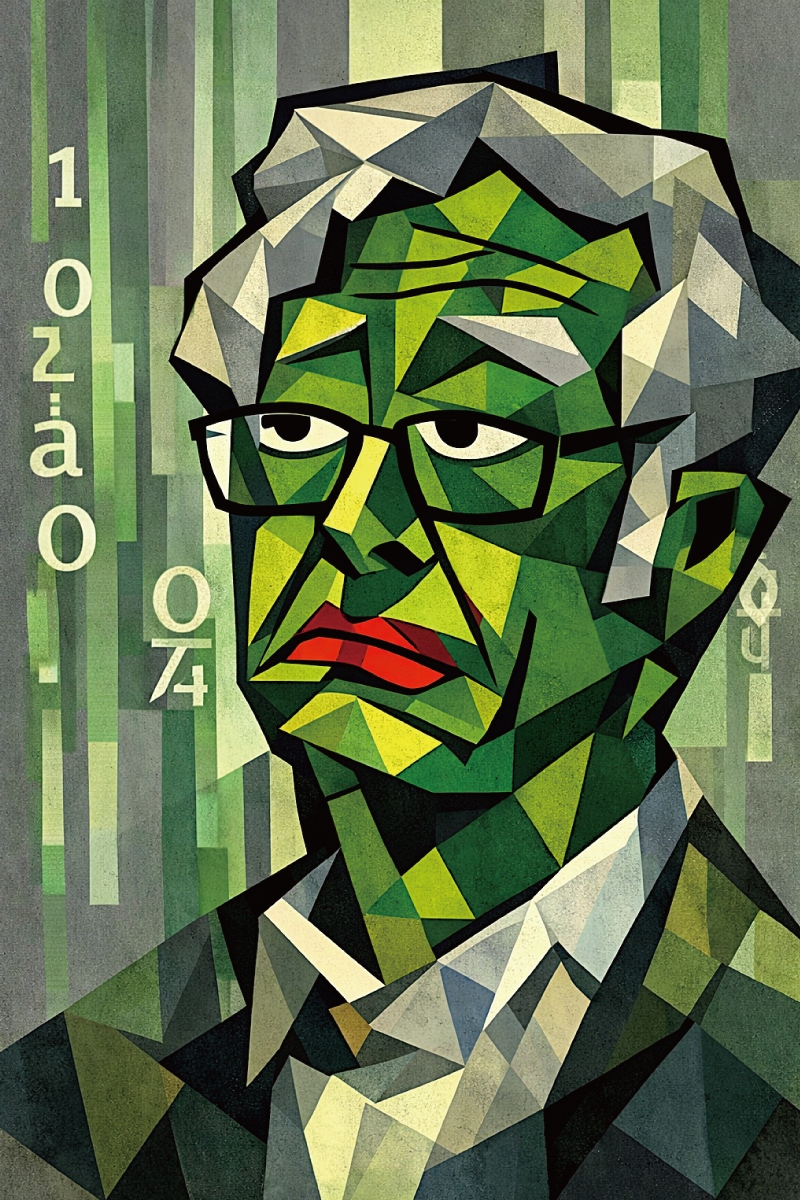
CUBISM NAKAMOTO
A curated art project dedicated to cubist interpretations of Satoshi Nakamoto.
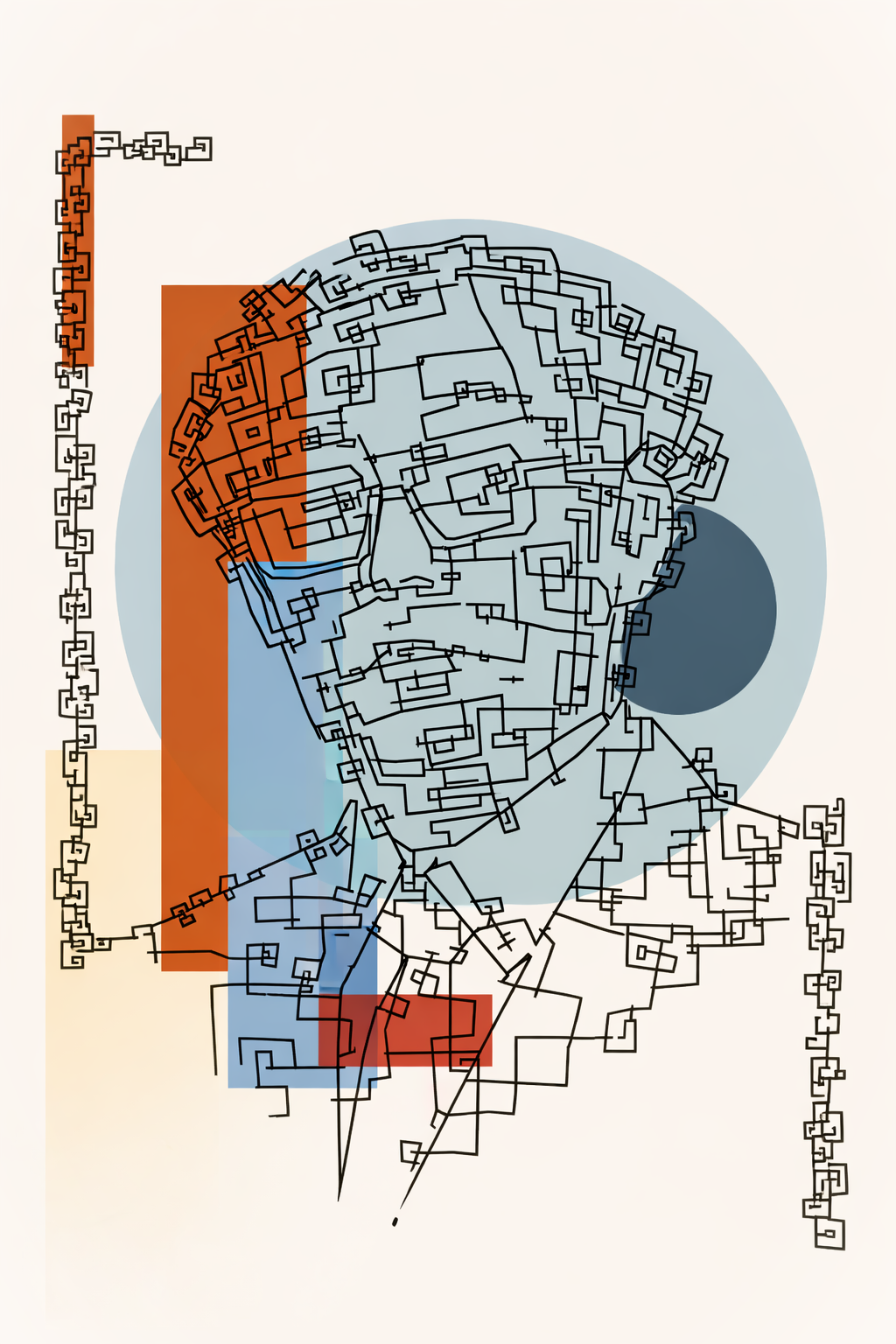
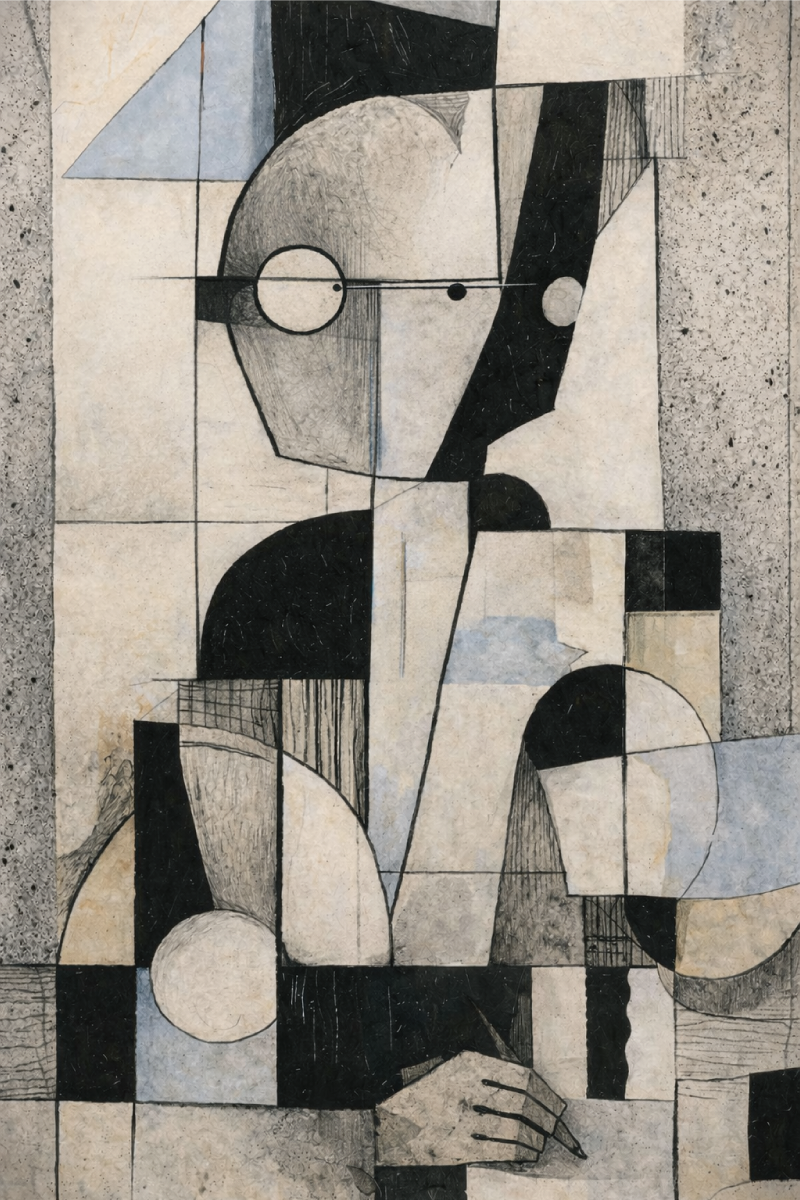
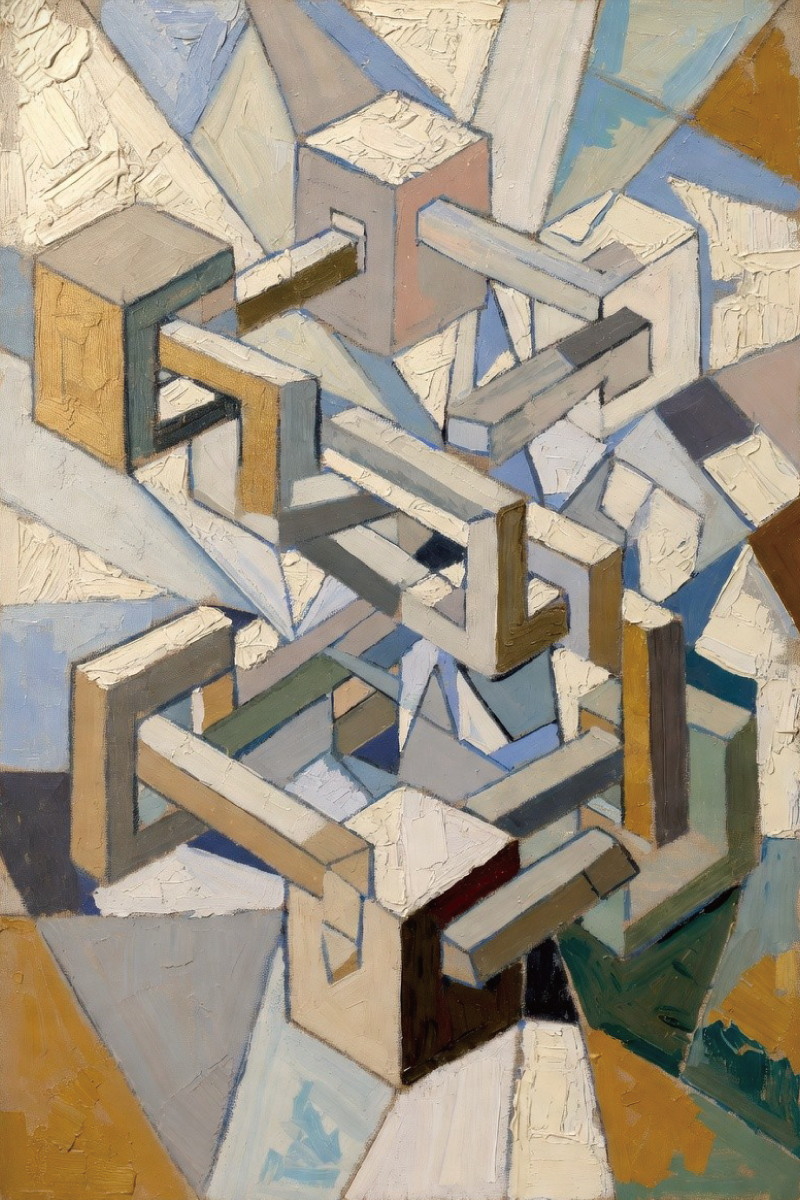
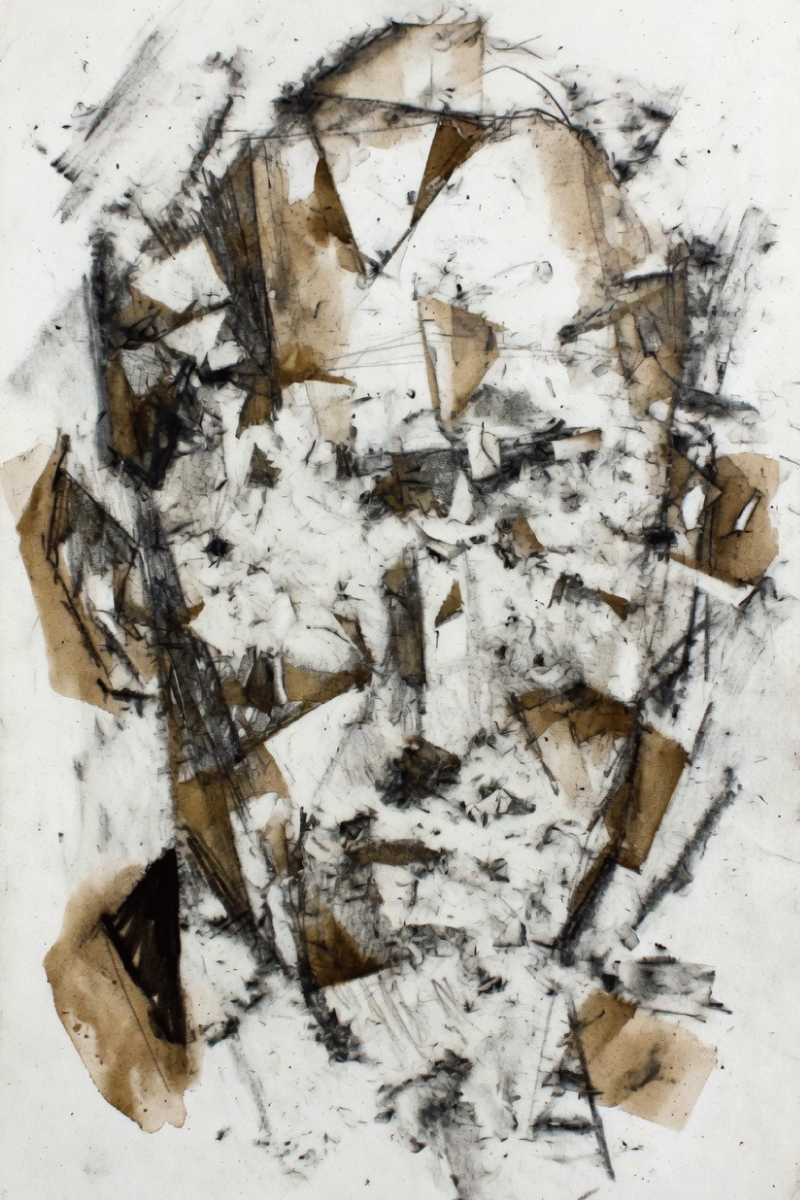
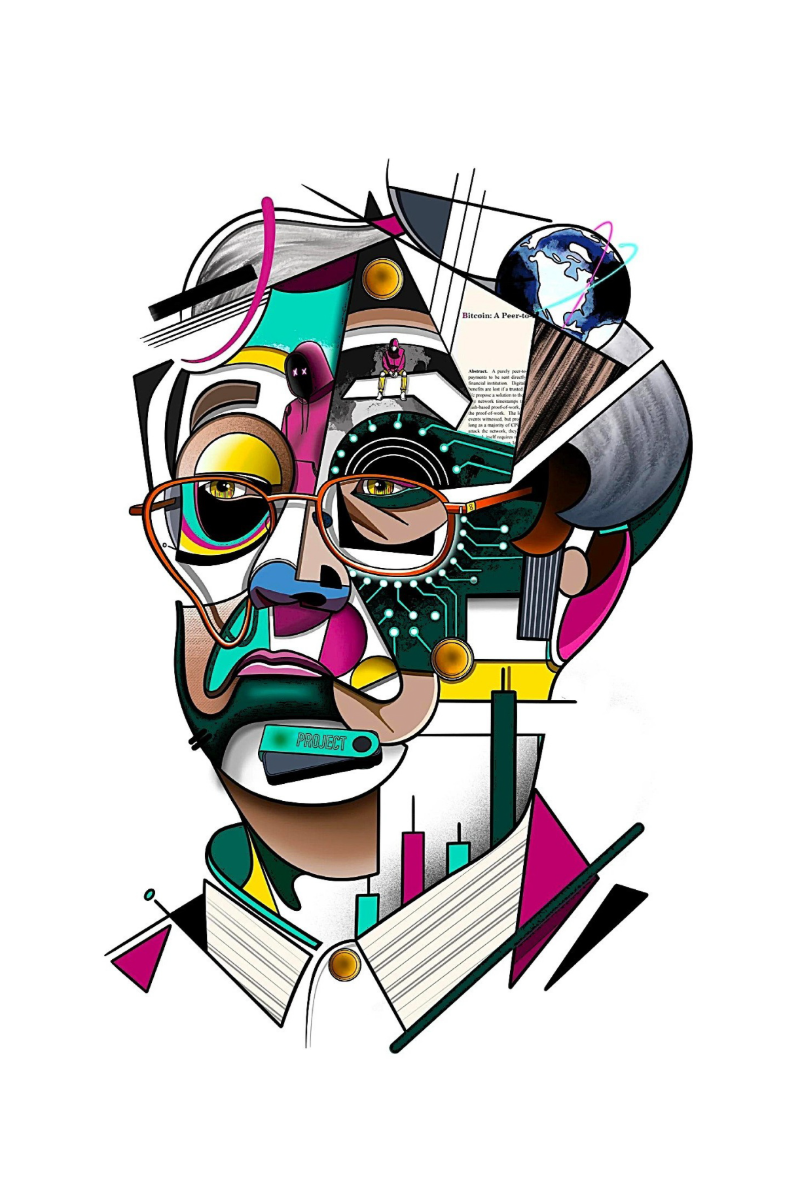
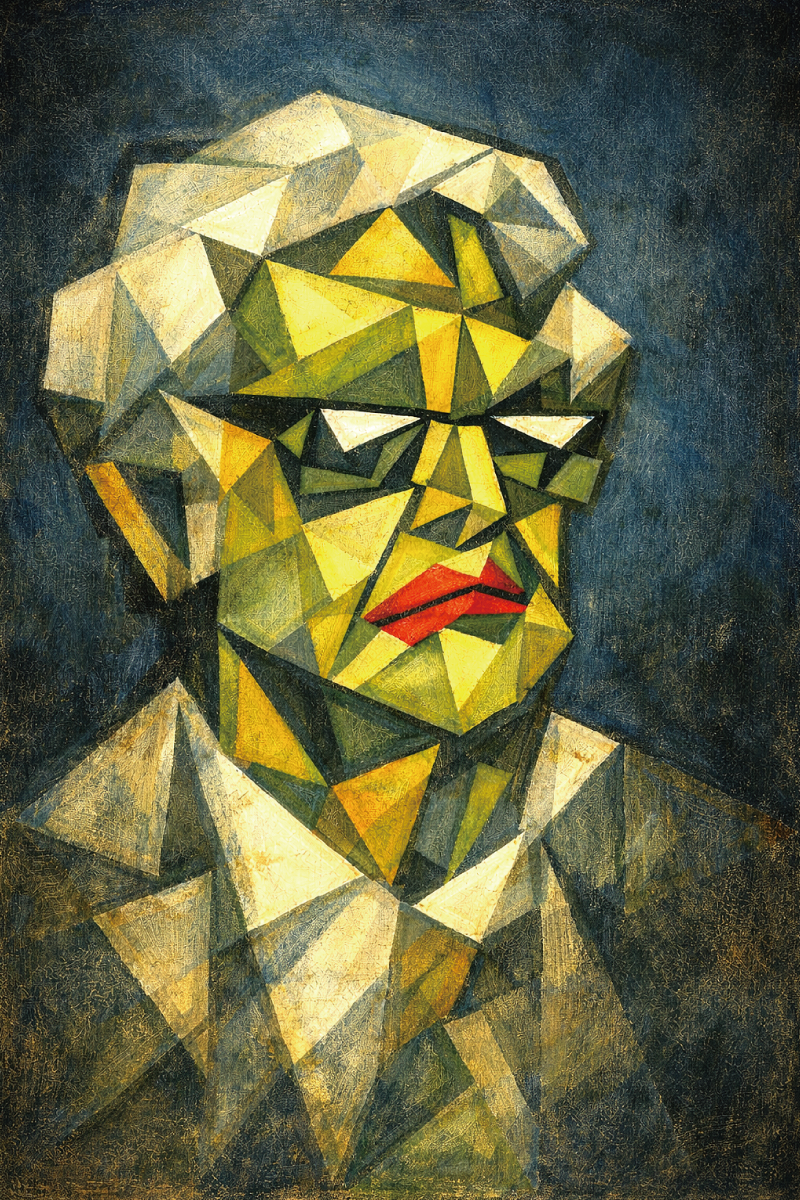
CUBINAKAMOTO is a curated project that explores the figure of Satoshi Nakamoto through the visual language of cubism.
At its core, the project is anchored by a single master asset, from which all works are issued as subassets.
Each work approaches Nakamoto as a fragmented and reconstructed presence, interpreted through structure, form, and composition.
The project consists of 60 works in total, forming a finite system.
Each work is issued as a subasset on Counterparty, with its own edition size.
The project evolves through contributions from participating artists.
Cubism Nakamoto Project - Master & Genesis
(Click each artwork to view on Counterparty ↗🔗)
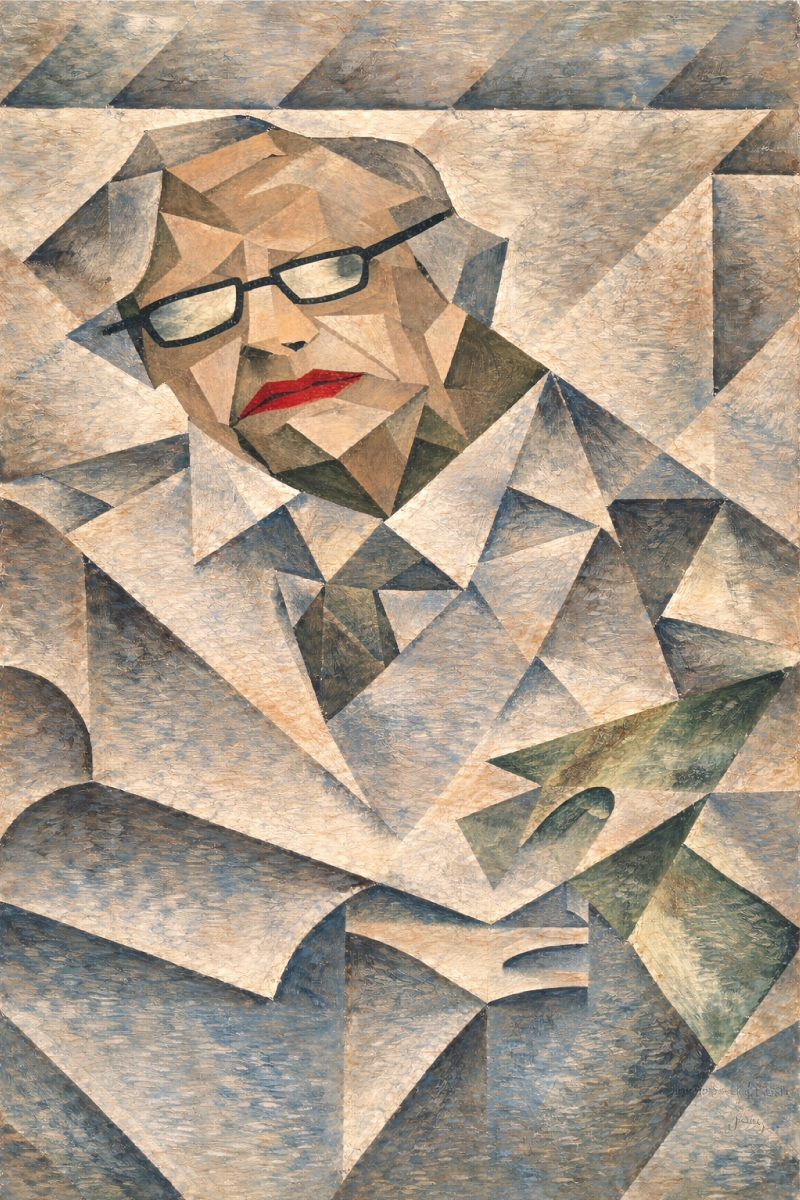
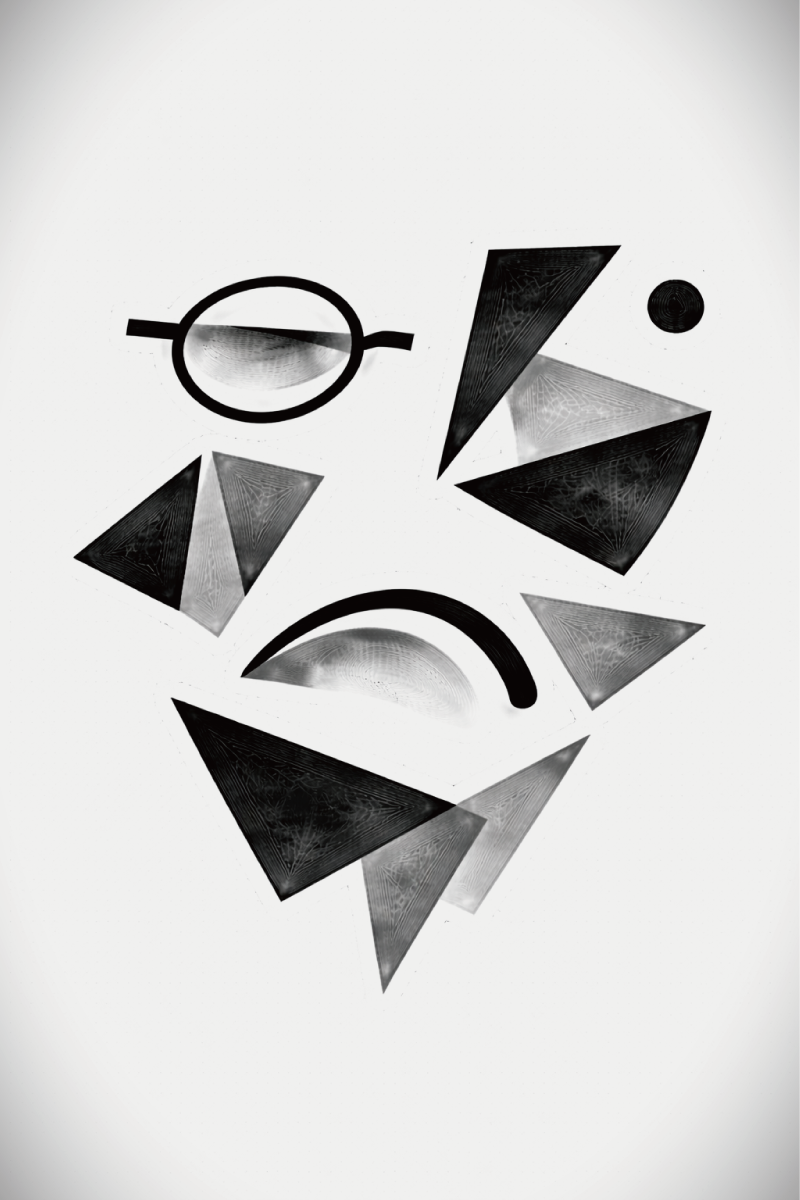
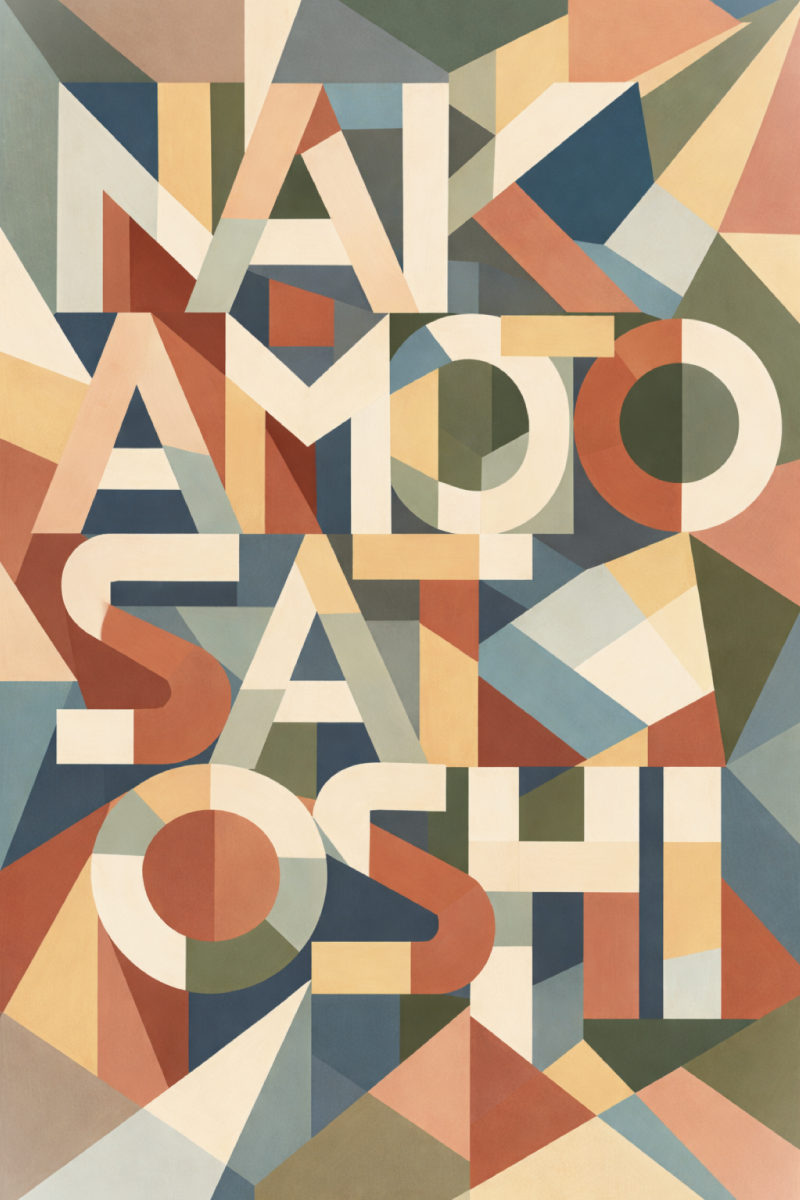
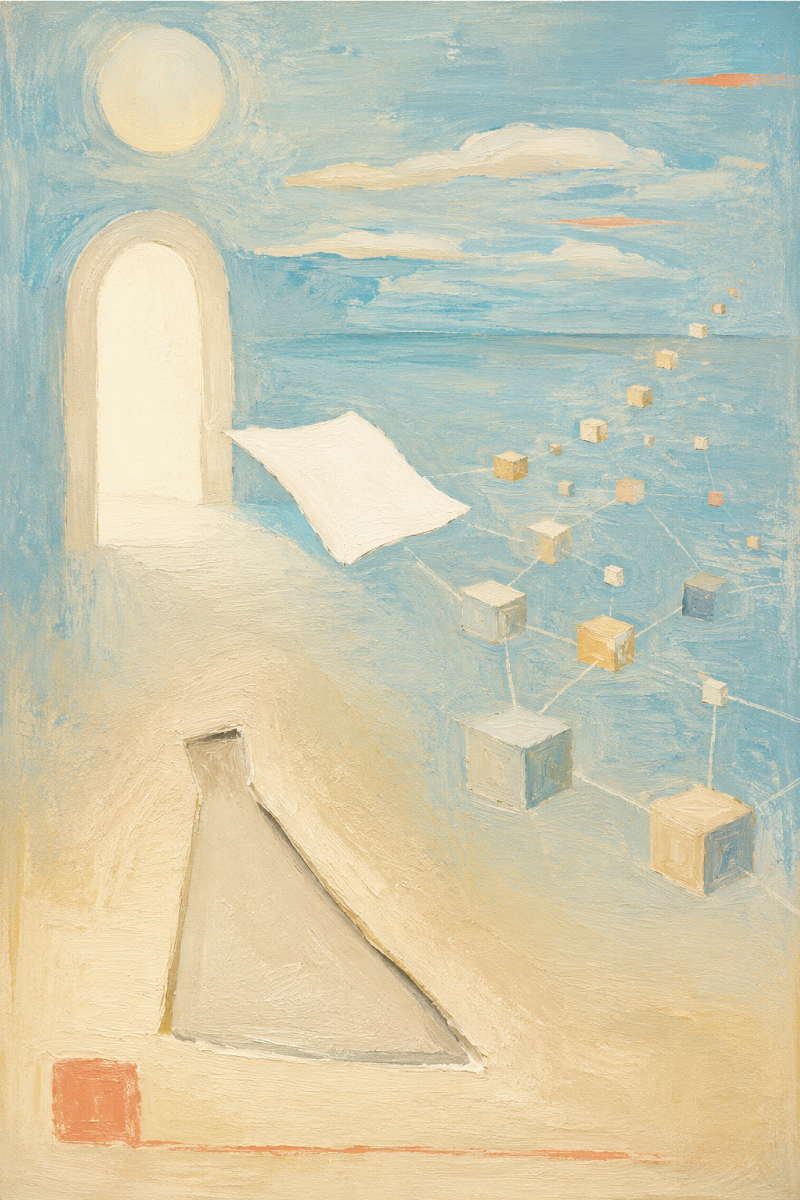
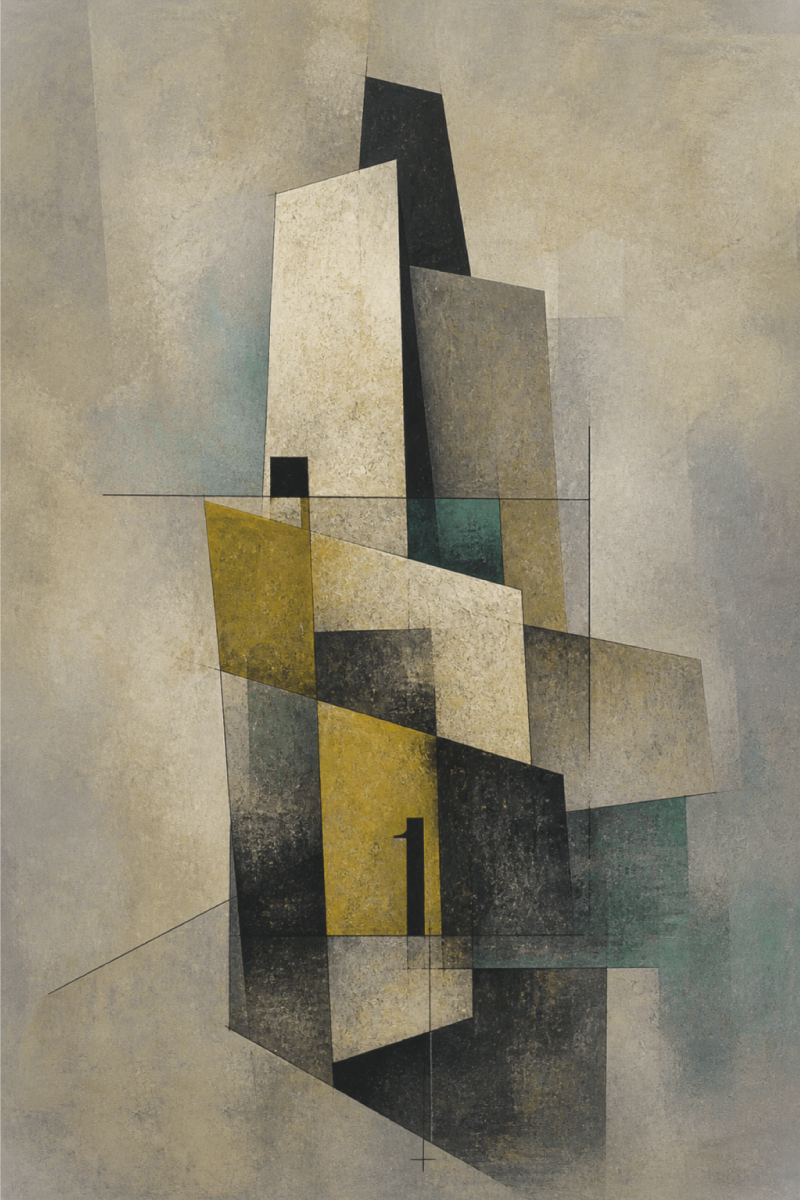
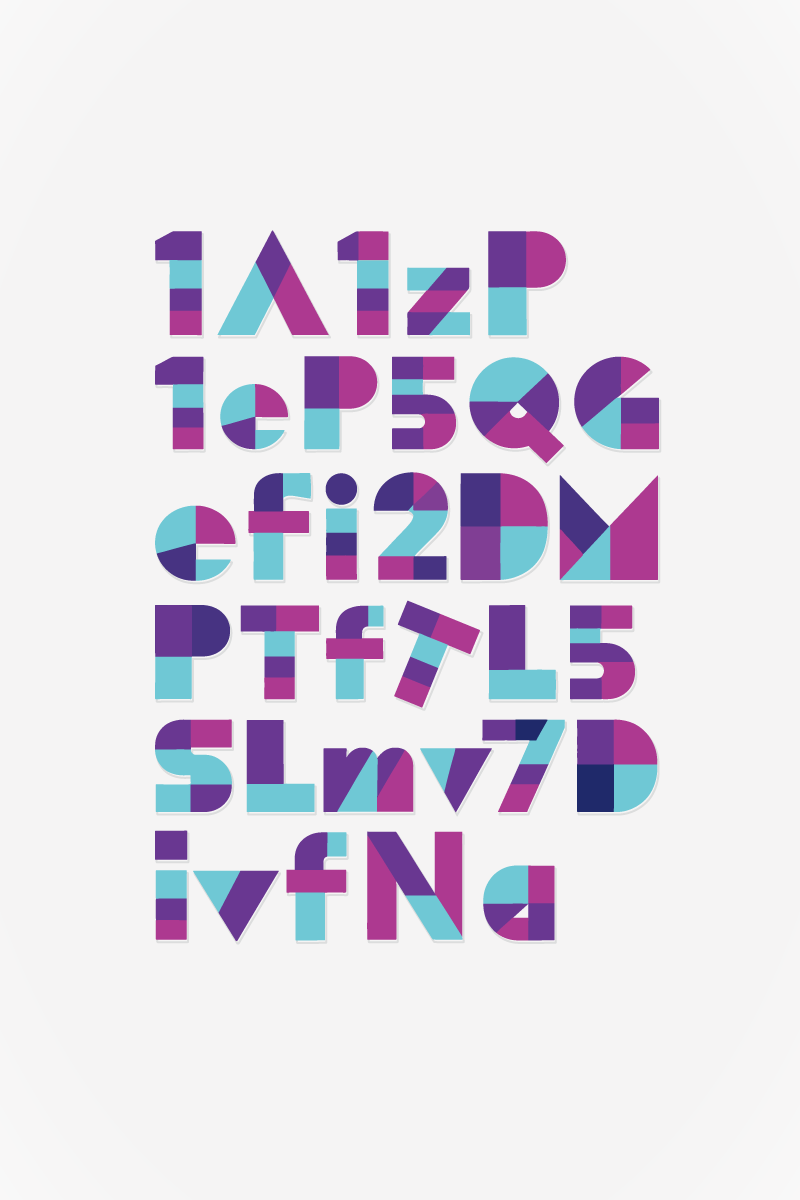
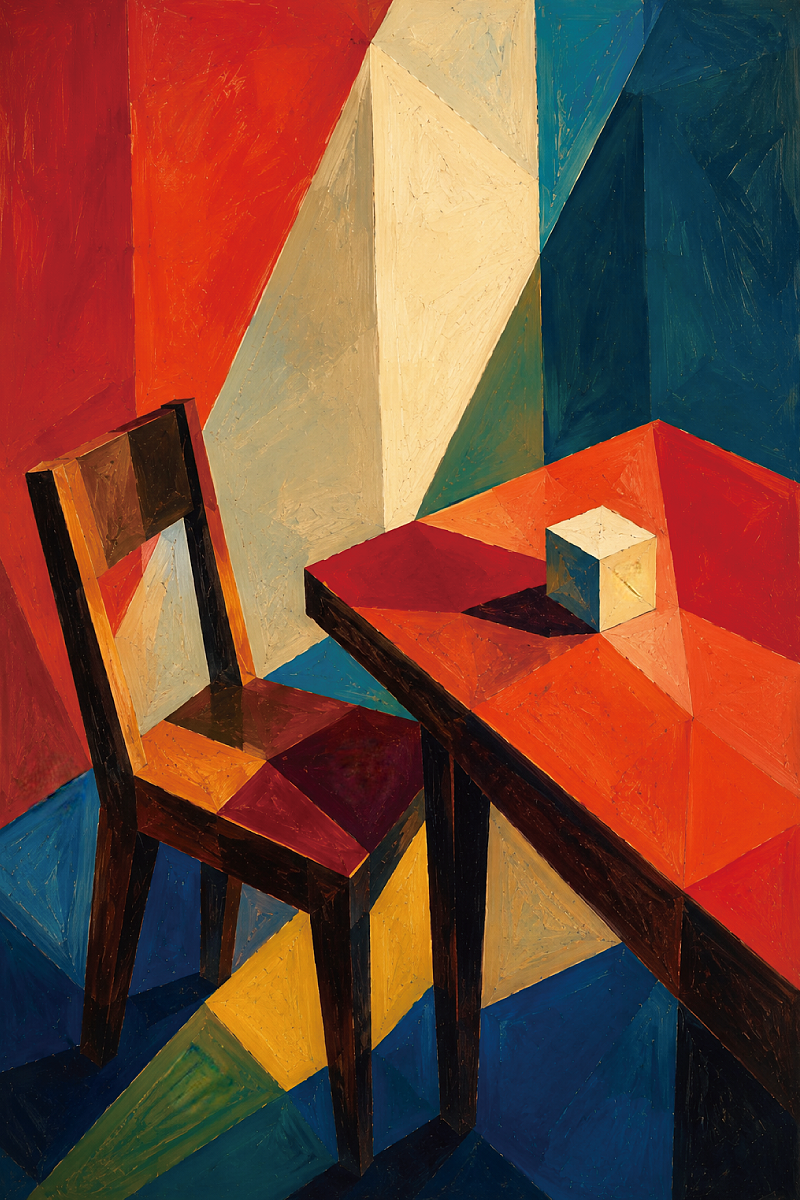
Works from the Cubism Nakamoto Project
(Click each artwork to view on Counterparty ↗🔗)



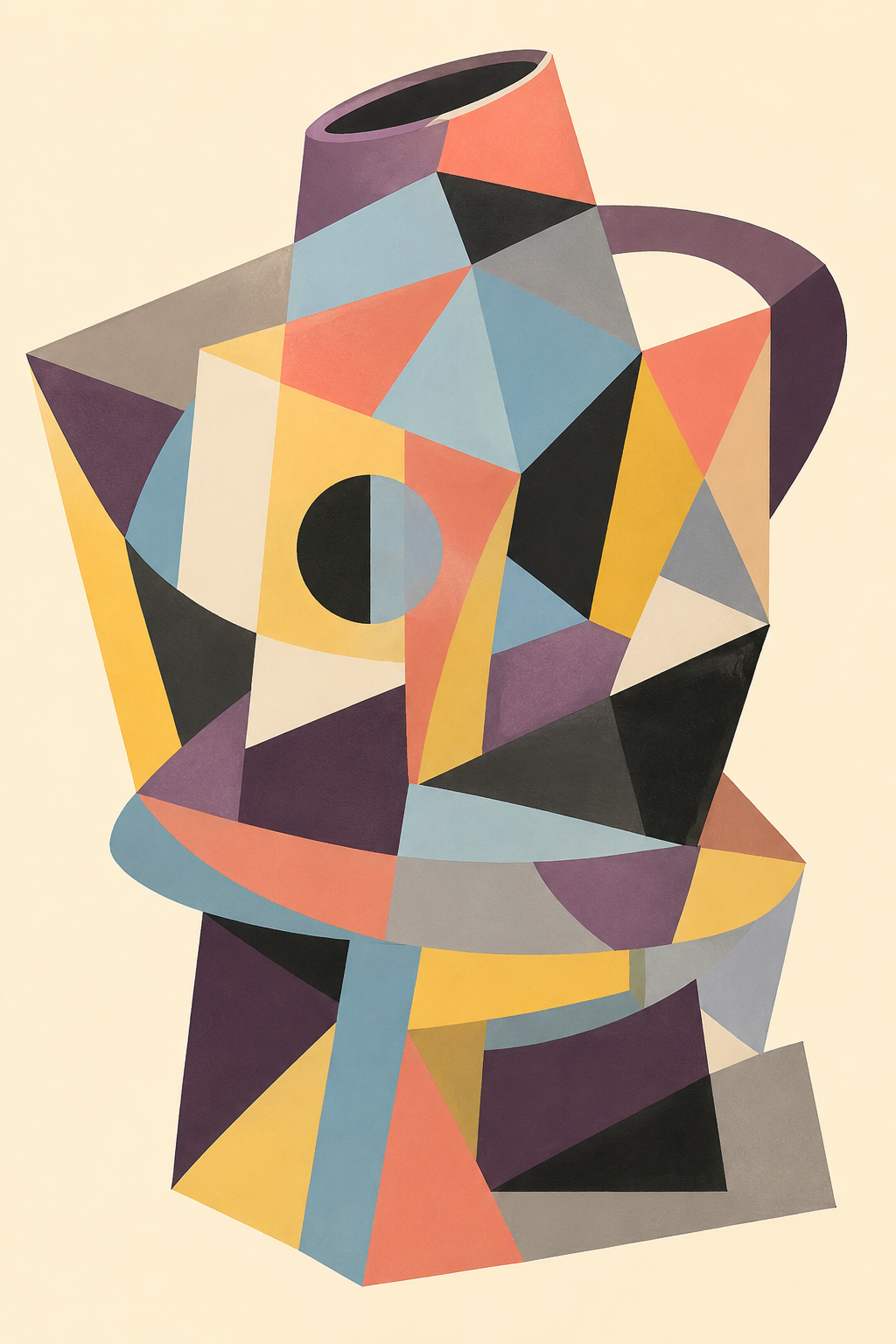

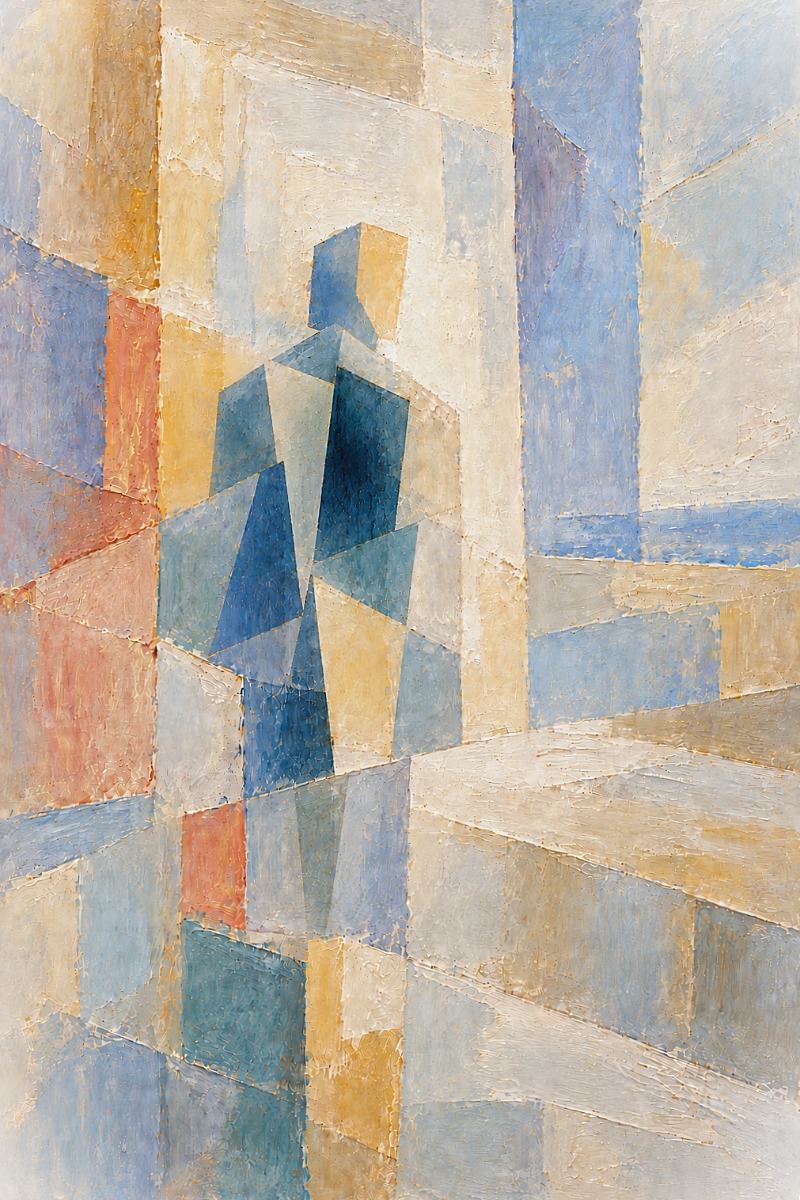


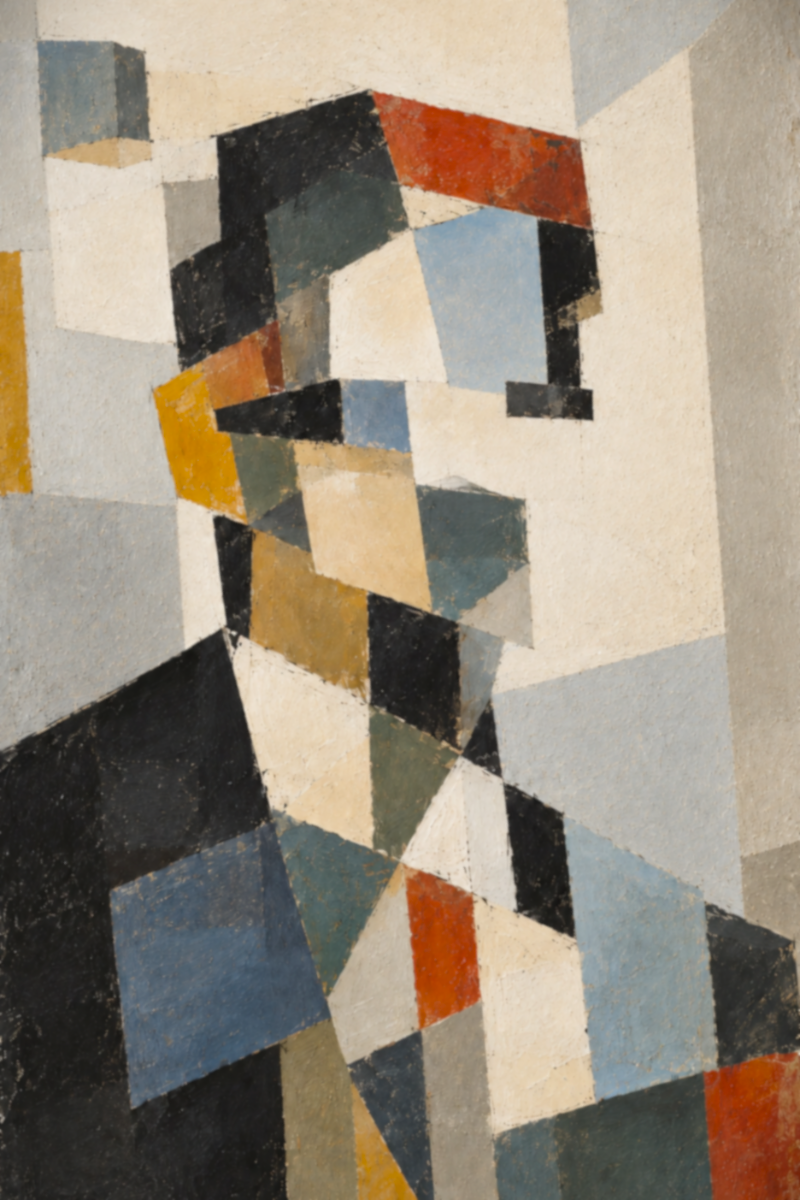
Submit
----------
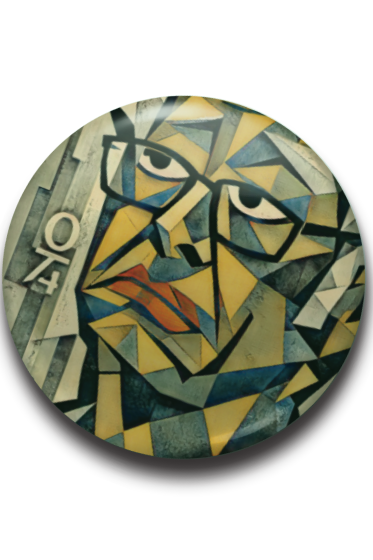
Submit your cubist interpretation of Nakamoto.

To submit, acquire and burn 1 CUBINAKACASH.🔗
What disappears becomes permanent.
This is how Nakamoto entered the world.
* New to Counterparty? Reach out via any channel — we'll help you get started.
* If you'd like to burn CUBINAKACASH anonymously, reach out via any channel.
Submissions must be original works aligned with the concept of CUBISM NAKAMOTO Project.
Image requirements: 800×1200 px, PNG or JPEG, under 5MB.
Selected artists receive 50% of the issued subasset, and the Genesis asset (CUBI #00).
If a submission is not selected, you will receive CUBINAKAREDO - good for one more submission.
Artists may choose to remain anonymous.
Some will. Some may not.
Each artist may submit one work at a time.
After selection or rejection, a new submission may be made.
THE TOKEN
What disappears becomes permanent
YOUR WORK
PNG / JPEG
Max 5MB
CURATION
Not selected → receive CUBINAKAREDO (1 retry)
Submissions are carefully curated based on relevance to Nakamoto, artistic quality, and originality.
Works must be original, previously unpublished, and created by the submitting artist.
Submission does not guarantee selection.
If selected, the submitted work will be used as part of the CUBISM NAKAMOTO project, including the issuance and distribution of a subasset based on the work.
COLLECT
Fragments
CUBISM NAKAMOTO is not an open edition.
It is a fixed system of 60 works.
Some fragments are currently available.
Most will only move if their holders choose to let them move.
For the full project archive, view Works.
Composition
---------------------
A single origin, expanded through multiple interpretations.
Nakamoto as Fragment
Satoshi Nakamoto is not a fixed identity, but an absence — a name without a face.
Cubism breaks form into fragments and reconstructs them beyond a single point of view.
In this sense, Nakamoto is inherently cubist.
Not a portrait to be captured, but a presence to be assembled.
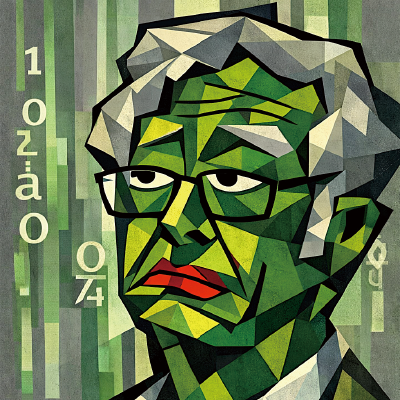
Each work in CUBISM NAKAMOTO does not depict Nakamoto — it constructs Nakamoto.
Bitcoin as Structure
Bitcoin, like cubism, rejects a single point of authority.
It exists as a distributed system, where truth emerges from the network rather than from a central source.
Just as cubism reconstructs form through fragmentation, Bitcoin reconstructs trust through decentralization.
Nakamoto exists as both author and system.
Structure
------------------
A system defined by structure.
Structure of the Project
All works originate from a single master asset (CUBINAKAMOTO), existing as subassets within a single system.
The project consists of 61 subassets, including the Genesis (CUBI #00) and CUBI #01–#60.
Each artwork is assigned to a predefined subasset.
The Genesis asset (CUBI #00) has a supply of 60 and is distributed to selected artists.
All subassets are fully issued and permanently locked.
Edition sizes increase progressively across the series, balancing scarcity and expansion.
Selections are made by curators.
The project expands through participating artists, who receive 50% of the issued subasset along with the Genesis asset (CUBI #00).
Supply Structure🔗
CUBI #00 : Edition 60
CUBI #01–05: Edition 4
CUBI #06–10: Edition 6
CUBI #11–20: Edition 8
CUBI #21–30: Edition 10
CUBI #31–40: Edition 12
CUBI #41–50: Edition 16
CUBI #51–60: Edition 20
Origin
-----------
The origin itself is not fixed.
CUBINAKAMOTO
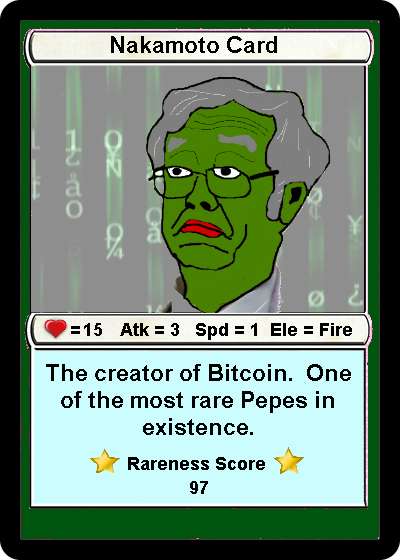
The master asset, CUBINAKAMOTO, is offered in exchange for RAREPEPE on the Counterparty decentralized exchange.
What is exchanged is not a work, but the origin of the project itself.
While most projects remain anchored and only their artifacts circulate,
here, the anchor itself moves.
It is not preserved — it is exposed to movement, transfer, and reinterpretation.
Its continuation depends on where its origin resides.
CUBISM
Multiple Perspectives
Seeing beyond a single viewpoint
CUBISM emerged in the early 20th century as a radical way of representing reality.
Instead of depicting a subject from one fixed angle, it breaks forms into fragments and reassembles them on a flat surface.
As a result, multiple perspectives are integrated into a single image.
This approach reveals underlying structure rather than surface appearance.
In CUBISM NAKAMOTO, Nakamoto is not represented as a single identifiable figure, but as a fragmented and reconstructed presence shaped by perspective and abstraction.